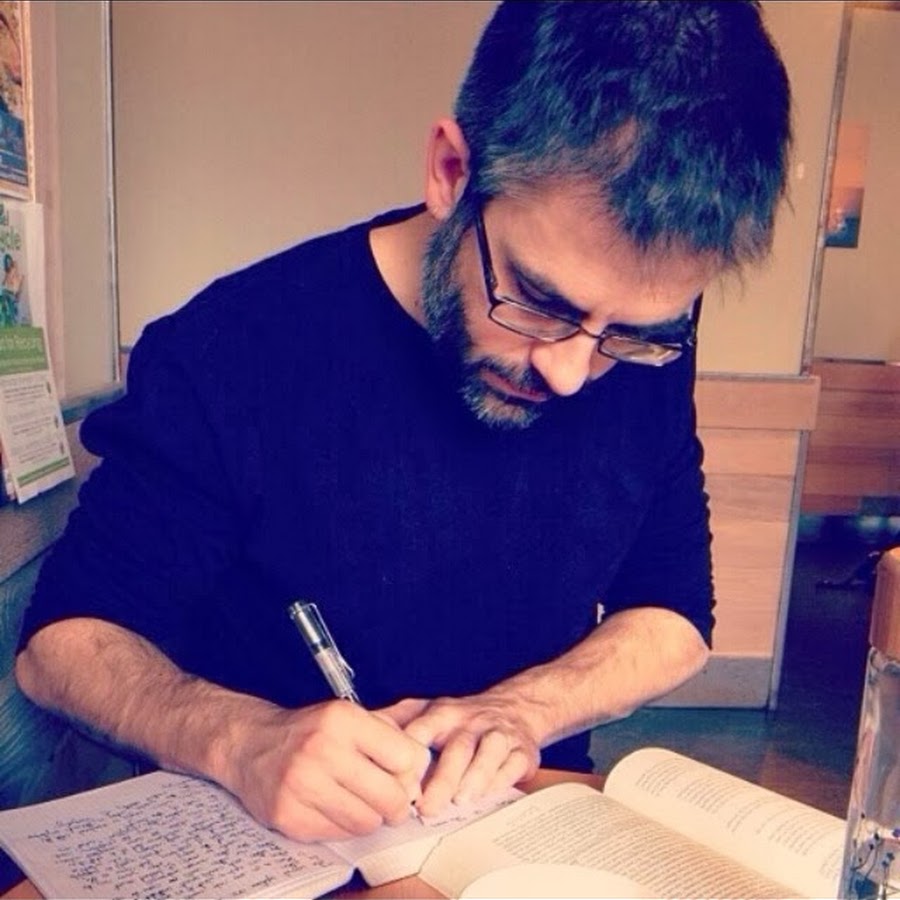
I am Professor of Philosophy at the University of North Georgia.
Select Publications:
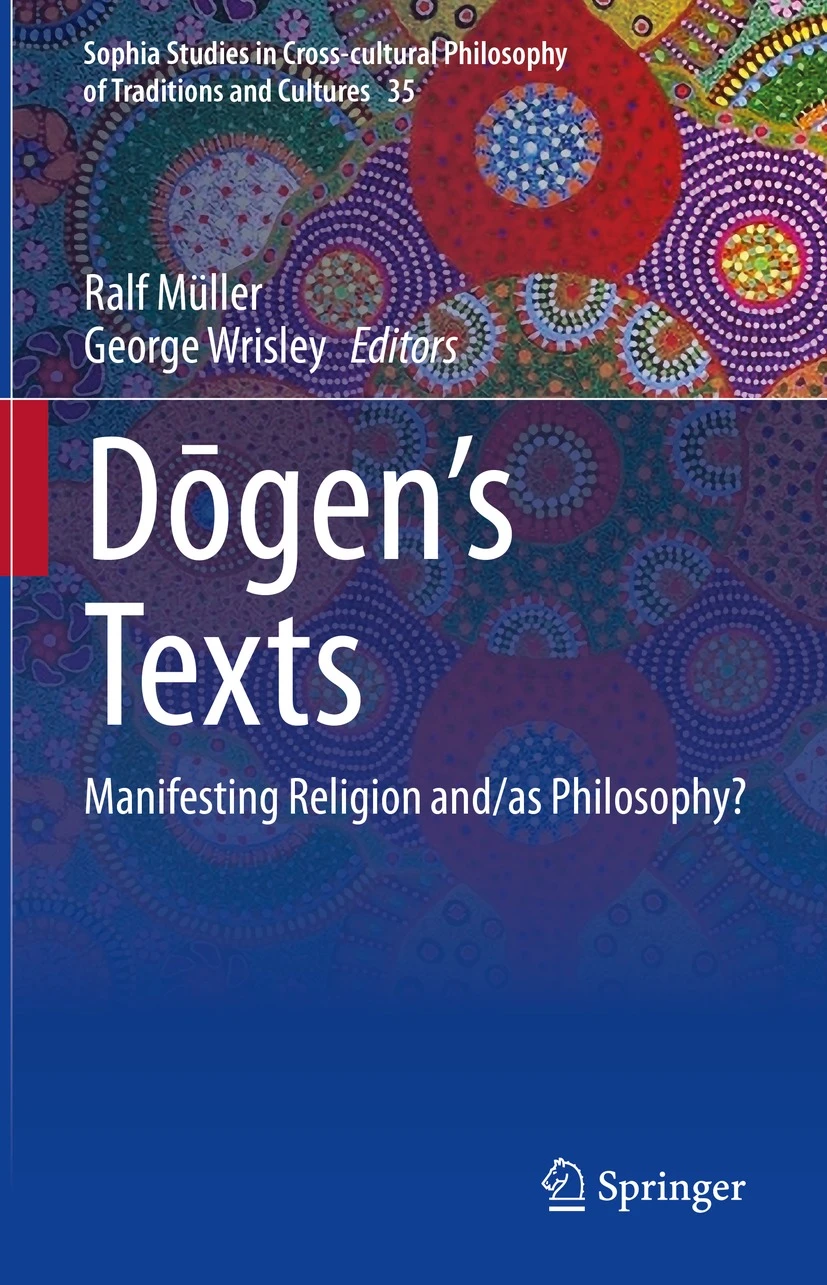
Dōgen's Texts: Manifesting Religion and/as Philosophy?
“Philosophy, Not-Philosophy, Non-Philosophy—Dōgen’s Religio-Philosophical Zen”
“Revitalizing the Familiar: A Practical Application of Dōgen’s Transformative Zen”
The Nietzschean Bodhisattva—
Passionately Navigating Indeterminacy
The Role of Compassion in Actualizing Dōgen's Zen
Beyond Sexism: The Need for an Intersectional Approach to Confucianism
Wherefore the Failure of Private Ostension?
Private Language - Stanford Encyclopedia of Philosophy entry co-authored with Stewart Candlish
Language and Concepts in Relation to Enlightenment On and Off the Cushion in Chan/Zen Buddhism
Guest Editor, Special Issue of Religions
Unpublished Drafts
Dissertation: Realism and Conceptual Relativity
Philosophy as Good for Nothing: Wittgenstein, Socrates, and the Ends and End of Philosophy
Dōgen as Philosopher, Dōgen’s Philosophical Zen
Letting go of the "I": Nietzsche, Nihilism, and the Bodhisattva Ideal
Nietzsche and the Value of Suffering
George Wrisley
Curriculum Vitae Email
Now Available!
“Is human life always this bewildering, or am I the only bewildered one?”
Zhuangzi
„hin und her und hin und her gerissen / zwischen verstehen wollen und handeln müssen“
Blumfeld